
Custom Clothing Labels should be planned as a textile label manufacturing choice by matching garment type, material, fold style, wash resistance, print or weave quality, and brand identity.
This guide covers woven labels, printed labels, care labels, hang tags, size labels, made-in labels, and patch labels with short practical sections.
What Are Custom Clothing Labels?
Custom clothing labels are personalized tags sewn or attached to garments, providing detailed information like size, material, and care instructions while enhancing the brand’s identity. These labels can be woven, printed on fabric, or made from other materials.Different Types of Custom Clothing Labels
Woven labels offer a classic look with durable text that resists fading over time. Printed fabric labels provide full-color designs suitable for intricate branding and patterns. Care labels inform customers about washing instructions to protect the garment’s integrity. Hang tags are used for marketing purposes, often featuring promotional messages or additional product details. Custom clothing labels help startups establish their brand identity quickly with low minimum order requirements, fast turnaround times, and flexible design options. Small businesses can benefit from these services by ensuring high-quality production and international shipping capabilities.Benefits of Custom Clothing Labels
Custom clothing labels offer numerous benefits for businesses looking to enhance their brand identity and product quality. They ensure accurate size information, material details, and care instructions are always available, protecting the garment’s integrity. Additionally, custom labels can be used as marketing tools, promoting products through eye-catching designs that catch a customer’s attention. These personalized tags also help in distinguishing your clothing items from competitors’ offerings, making them stand out on store shelves or online catalogs. With flexible design options and fast turnaround times, businesses can quickly adapt to market trends without significant investment. Customization allows for detailed branding, such as logos, slogans, and unique designs that resonate with target audiences. By incorporating custom labels into your product line, you not only improve the overall quality of your garments but also create a more professional image. This attention to detail can significantly impact customer trust and satisfaction, leading to increased sales and positive word-of-mouth recommendations.Custom Clothing Label Types Compared
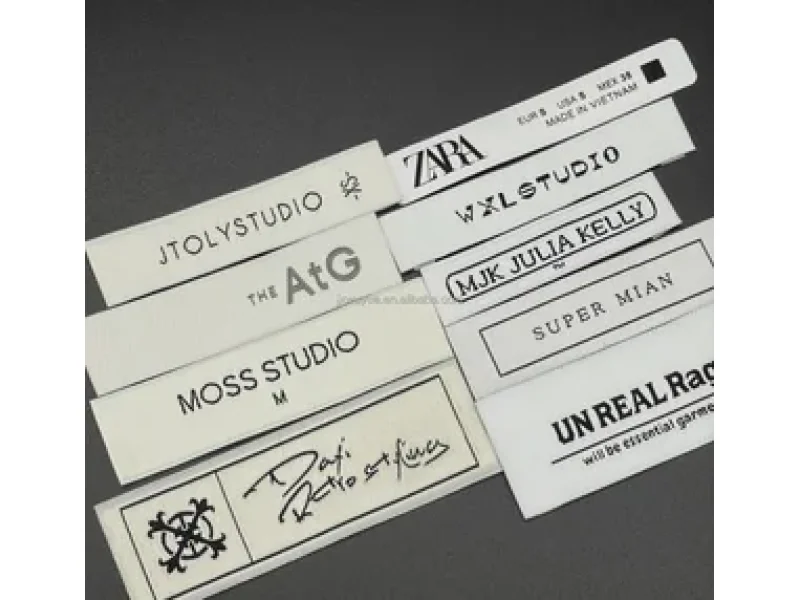
Durable vs Flexible: Woven labels excel with their longevity; printed ones are more adaptable.
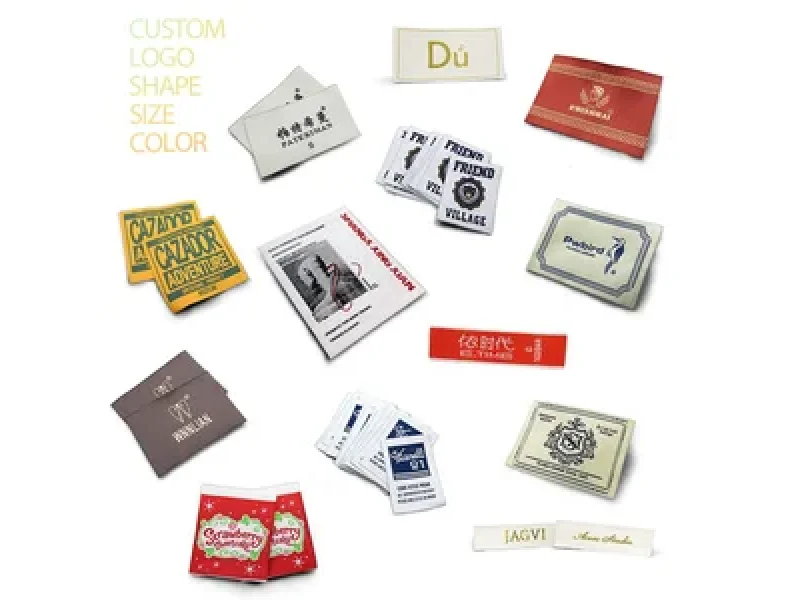
Pricing and Turnaround
Custom clothing label providers often offer low minimum orders, fast turnaround times, and digital proofing to ensure accuracy. For startup brands, these features can be crucial in managing costs and timelines effectively.
Low MOQs & Quick Delivery: Look for suppliers who provide quick quotes with minimal order requirements.
Customization Options
Woven labels allow for intricate designs and detailed text, making them perfect for brands seeking a premium look. Printed fabric labels offer more flexibility in design but may require higher setup costs due to the need for printing molds. Pricing and Turnaround Digital proofing is essential when ordering custom clothing labels to ensure accuracy before production begins. Many providers can analyze your designs quickly, allowing you to make adjustments if needed. This process helps avoid costly errors during manufacturing.Materials, Folds, Finishes and Design Options
The following table compares material, print or weave quality, use case, and production process for textile label manufacturing.
| Criterion | Best use | Check question | Quality expectation |
|---|---|---|---|
| Custom Clothing Labels | Brand, apparel, and accessory products. | Which information must appear on the product? | Clear, readable, and brand-consistent. |
| Woven label | Premium clothing, outerwear, and accessories. | Are thread detail and wash resistance strong? | Dense weave, clean edge, long life. |
| Printed label | Color logos, care data, and fast production. | Are colors accurate and readable? | Sharp print, flexible base, stable color. |
| Care / size label | Washing instructions, size, origin information. | Are symbols and languages clear? | High readability in a small space. |
| Hang tag / patch label | Retail display, collections, brand story. | Does material improve product perception? | Durable stock, clean cut, quality workmanship. |
Material Choice
Choosing between polyester or cotton blends depends on colorfastness and comfort requirements for different fabrics. Polyester offers better wash resistance, while cotton provides a softer feel but may fade more easily.How the Custom Label Process Works
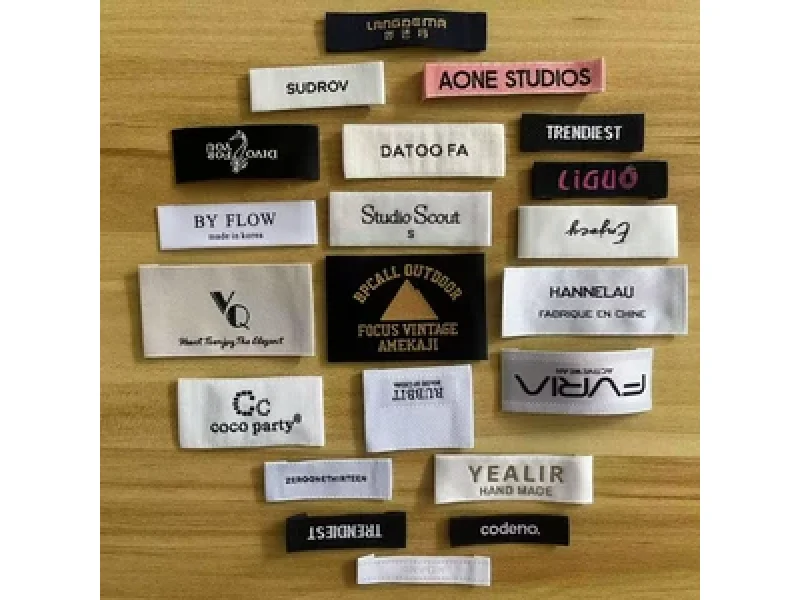
We offer low minimums for small businesses and startup clothing brands, with fast turnaround times.
Digital Proof Approval: Before finalizing your order, we provide a digital proof for you to review and approve.
Order Flow from Brief to Delivery
1.Select the label type: woven labels, printed fabric labels, care labels, hang tags, or size labels.
2.Upload your design or provide a brief for our designers to work on.
3.We send you a quote based on your requirements and production details.
4.Once approved, we proceed with the order after artwork proofing is completed.
Quality Control: We ensure quality control before packaging and shipping each item to meet international standards.
Pricing & Shipping
LabelGo offers competitive pricing for custom clothing labels, making it ideal for small businesses with low minimum order requirements.We provide fast turnaround times, typically within 2-4 weeks from design approval.
How to Choose the Right Label for a US Clothing Brand
Choose labels that offer low minimums, fast turnaround times, and clear shipping options—crucial for startup clothing brands.Pricing: Look for providers with competitive pricing without hidden fees.
Fast Turnaround: Opt for services offering quick production to meet your deadlines.
Customization Options
Ensure the provider offers full-color customization and various label options like woven or printed fabric labels.
Shipping: Reliable shipping with tracking is essential, especially when dealing with international orders.
Sample Packs & Artwork Proofing: Request sample packs to ensure quality before committing large quantities. Digital proofing helps avoid errors post-production.
Select a supplier that caters well to small businesses and startup clothing brands by providing flexible MOQs (minimum order quantities).
Note: LabelGo offers 30+ years of experience, digital proofs for approval, quality control before delivery, international shipping options, and 24/7 support.
Quality Control and Assurance
Ensure your label provider offers quality control checks to prevent errors in production. This is crucial for maintaining brand integrity. Select a supplier that analyzes each batch of labels, ensuring they meet high standards before shipment. Quality assurance saves you from costly rejections later on.For deeper comparison, you can review Custom Clothing Labels Wikipedia and Custom Clothing Labels Google US.
Custom Clothing Labels
When choosing custom clothing labels for your apparel line, consider factors like durability and design flexibility.
Durability: Ensure the label material can withstand washing cycles without fading or tearing. Common materials include polyester and nylon.
Design Flexibility: Opt for a provider that offers customization options to match your brand’s aesthetic, such as screen printing or digital embroidery.
Selecting Custom Clothing Label Materials
Polyester labels are popular due to their durability but can be more expensive. Nylon is lighter and less prone to wrinkling. Both materials offer good color retention.
Other Options: Consider vinyl for its flexibility or paper for eco-friendly, softer options that may not hold up as well in washing cycles.
Durability Checks
To ensure your labels will last through multiple washes and dryings, test them thoroughly. Wash the samples at least 5 times using both cold and hot water settings to simulate real-world conditions.
Additional Testing: Check for color fastness by soaking in water or rubbing with a cloth to see if any ink transfers.
Artwork Proofing
Before finalizing your design, get an artwork proof. This step allows you to review the layout and colors on actual label material rather than just digital images.
Feedback Loop: Use this opportunity to make any necessary adjustments before mass production begins. Quick turnaround times are crucial for effective feedback cycles.
Finishing Options
Add finishing touches like heat sealing or sewing the labels onto garments for a professional look and feel. Heat-sealed labels provide better adhesion but may require specialized equipment.
Sewing: Sewing is more labor-intensive but can be cost-effective if you have high-volume production needs, as it reduces label application time during assembly.
Production Workflow
A streamlined workflow ensures your labels are produced efficiently. Start by creating a detailed design brief outlining all requirements including size, material choice, and finishing options.
Quality Control: Implement quality control checks at various stages of production to catch any issues early on. This includes inspecting printed samples for accuracy before full-scale manufacturing begins.
Notes for clearer production decisions
What Are Custom Clothing Labels? should be reviewed through product use, brand presentation, and durability requirements. For Custom Clothing Labels, the right choice depends on visual quality, wash resistance, contact with the garment, and how the label will perform during daily use.
The choice between woven labels, printed labels, care labels, size labels, and hang tags depends on material, readability, and product positioning. Before production, size, color, base material, fold style, and sewing area should be confirmed.
Quality control should review text clarity, edge finish, color consistency, and surface durability together. Sample approval reduces mistakes before full production and protects the brand presentation.
Lead time, quantity, product placement, and packaging needs should be written clearly. This helps the production team prepare the label for the right product group and use case.
When planning Custom Clothing Labels, label type, product group, and expected service life should be reviewed together. This creates a better balance between brand presentation and technical durability.
The production file should include size, color code, material, printing or weaving method, and delivery expectation. Clear information speeds up approval and reduces revision work.
Notes for clearer production decisions
What Are Custom Clothing Labels? should be reviewed through product use, brand presentation, and durability requirements. For Custom Clothing Labels, the right choice depends on visual quality, wash resistance, contact with the garment, and how the label will perform during daily use.
The choice between woven labels, printed labels, care labels, size labels, and hang tags depends on material, readability, and product positioning. Before production, size, color, base material, fold style, and sewing area should be confirmed.
Quality control should review text clarity, edge finish, color consistency, and surface durability together. Sample approval reduces mistakes before full production and protects the brand presentation.
Lead time, quantity, product placement, and packaging needs should be written clearly. This helps the production team prepare the label for the right product group and use case.
What Are Custom Clothing Labels? should be reviewed through product use, brand presentation, and durability requirements. For Custom Clothing Labels, the right choice depends on visual quality, wash resistance, contact with the garment, and how the label will perform during daily use.
The choice between woven labels, printed labels, care labels, size labels, and hang tags depends on material, readability, and product positioning. Before production, size, color, base material, fold style, and sewing area should be confirmed.
Quality control should review text clarity, edge finish, color consistency, and surface durability together. Sample approval reduces mistakes before full production and protects the brand presentation.
Lead time, quantity, product placement, and packaging needs should be written clearly. This helps the production team prepare the label for the right product group and use case.
Custom Clothing Label Types Compared should be reviewed through product use, brand presentation, and durability requirements. For Custom Clothing Labels, the right choice depends on visual quality, wash resistance, contact with the garment, and how the label will perform during daily use.
The choice between woven labels, printed labels, care labels, size labels, and hang tags depends on material, readability, and product positioning. Before production, size, color, base material, fold style, and sewing area should be confirmed.
Quality control should review text clarity, edge finish, color consistency, and surface durability together. Sample approval reduces mistakes before full production and protects the brand presentation.
Lead time, quantity, product placement, and packaging needs should be written clearly. This helps the production team prepare the label for the right product group and use case.
Textile Label Comparison Table should be reviewed through product use, brand presentation, and durability requirements. For Custom Clothing Labels, the right choice depends on visual quality, wash resistance, contact with the garment, and how the label will perform during daily use.
The choice between woven labels, printed labels, care labels, size labels, and hang tags depends on material, readability, and product positioning. Before production, size, color, base material, fold style, and sewing area should be confirmed.
Quality control should review text clarity, edge finish, color consistency, and surface durability together. Sample approval reduces mistakes before full production and protects the brand presentation.
Lead time, quantity, product placement, and packaging needs should be written clearly. This helps the production team prepare the label for the right product group and use case.
Materials, Folds, Finishes and Design Options should be reviewed through product use, brand presentation, and durability requirements. For Custom Clothing Labels, the right choice depends on visual quality, wash resistance, contact with the garment, and how the label will perform during daily use.
The choice between woven labels, printed labels, care labels, size labels, and hang tags depends on material, readability, and product positioning. Before production, size, color, base material, fold style, and sewing area should be confirmed.
Quality control should review text clarity, edge finish, color consistency, and surface durability together. Sample approval reduces mistakes before full production and protects the brand presentation.
Lead time, quantity, product placement, and packaging needs should be written clearly. This helps the production team prepare the label for the right product group and use case.
How the Custom Label Process Works should be reviewed through product use, brand presentation, and durability requirements. For Custom Clothing Labels, the right choice depends on visual quality, wash resistance, contact with the garment, and how the label will perform during daily use.
The choice between woven labels, printed labels, care labels, size labels, and hang tags depends on material, readability, and product positioning. Before production, size, color, base material, fold style, and sewing area should be confirmed.
Quality control should review text clarity, edge finish, color consistency, and surface durability together. Sample approval reduces mistakes before full production and protects the brand presentation.
Lead time, quantity, product placement, and packaging needs should be written clearly. This helps the production team prepare the label for the right product group and use case.
How to Choose the Right Label for a US Clothing Brand should be reviewed through product use, brand presentation, and durability requirements. For Custom Clothing Labels, the right choice depends on visual quality, wash resistance, contact with the garment, and how the label will perform during daily use.
The choice between woven labels, printed labels, care labels, size labels, and hang tags depends on material, readability, and product positioning. Before production, size, color, base material, fold style, and sewing area should be confirmed.
Quality control should review text clarity, edge finish, color consistency, and surface durability together. Sample approval reduces mistakes before full production and protects the brand presentation.
Lead time, quantity, product placement, and packaging needs should be written clearly. This helps the production team prepare the label for the right product group and use case.
Frequently Asked Questions should be reviewed through product use, brand presentation, and durability requirements. For Custom Clothing Labels, the right choice depends on visual quality, wash resistance, contact with the garment, and how the label will perform during daily use.
The choice between woven labels, printed labels, care labels, size labels, and hang tags depends on material, readability, and product positioning. Before production, size, color, base material, fold style, and sewing area should be confirmed.
Quality control should review text clarity, edge finish, color consistency, and surface durability together. Sample approval reduces mistakes before full production and protects the brand presentation.
Lead time, quantity, product placement, and packaging needs should be written clearly. This helps the production team prepare the label for the right product group and use case.